
The International Institute for Sustainable Development maintains a digital blog publishing continuous, dated updates on treaty negotiations, tribunal awards, and systemic reform efforts. The stream of articles tracks the minute-by-minute developments in international economic law, covering how states assert their regulatory space against evolving corporate claims. The digital accrual format ensures the information remains perfectly current, though the organization’s explicit focus on sustainable development introduces a consistent reformist bias. This blog provides readers monitoring international operations with a real-time feed of the exact legal battles occurring at the frontier of state autonomy. The ongoing coverage demonstrates that the erosion of sovereignty by consent is not a settled historical fact, but a daily legal struggle.
Category: The Live Frontier
-

Lauge N. Skovgaard Poulsen, Bounded Rationality and Economic Diplomacy (Web Page)
Lauge N. Skovgaard Poulsen, publishing with Cambridge University Press, investigates how developing states historically negotiated investment treaties based on flawed or incomplete economic assumptions. He utilizes behavioral economics to argue that many governments signed binding pre-commitments without actually understanding the severe legal risks they adopted. The behavioral approach fundamentally shatters the myth of perfectly rational state consent, though it risks infantalizing the sophisticated legal teams that many developing states employ today. This empirical study forces readers weighing the validity of sovereignty erosion to question whether the initial consent to these mechanisms was ever truly informed. The behavioral critique directly attacks the premise of the thesis, suggesting that the explicit consent driving the erosion of sovereignty was largely illusory.
-
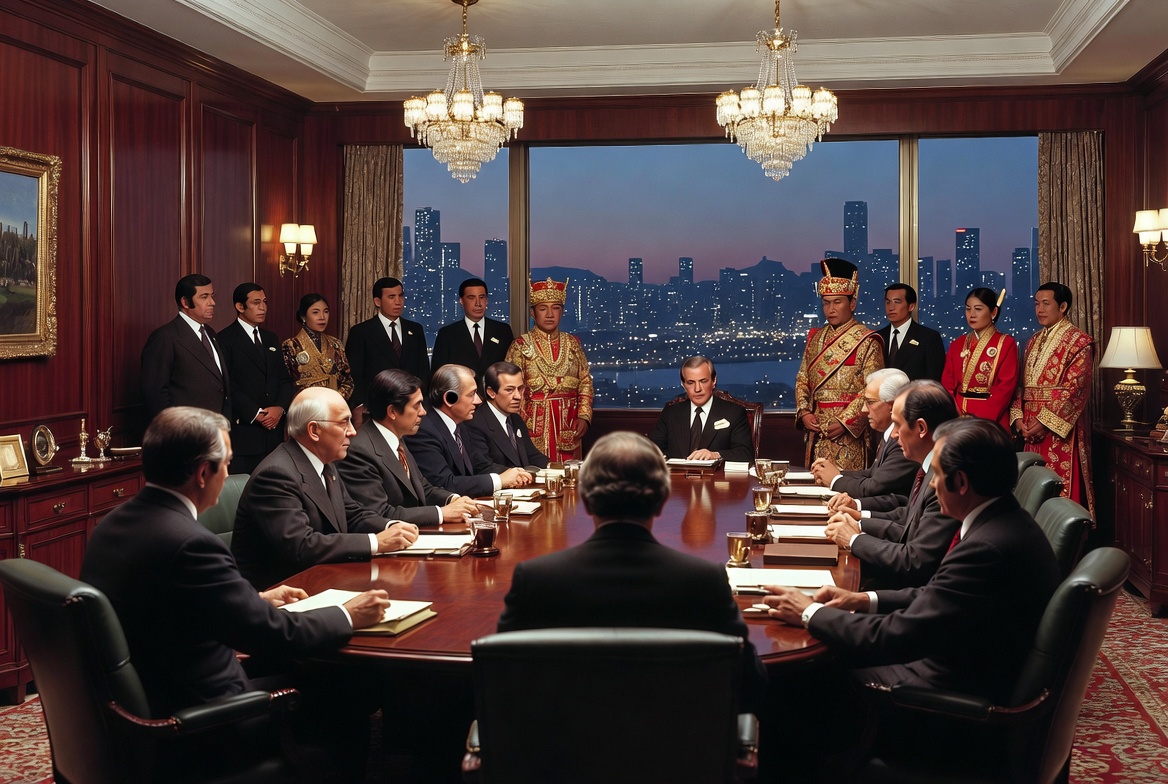
Anthea Roberts, Clash of Paradigms (Web Page)
Anthea Roberts, writing in the American Journal of International Law, maps the ideological battle between traditionalists and reformers over the future of the investment treaty system. She categorizes the competing factions within international law, noting how actors use different legal analogies to reshape the boundary between state sovereignty and investor protection. The paradigm analysis brilliantly clarifies the chaotic landscape of treaty reform, yet it remains descriptive rather than proposing its own normative solution to the conflict. The article provides readers navigating the live frontier of trade law with a vital intellectual map of the competing camps fighting to control the system. The mapping exercise proves that the structural constraints identified in the thesis are currently undergoing fierce, active renegotiation.
-

UNCITRAL Working Group III on ISDS Reform, Session Recordings (Video)
The United Nations Commission on International Trade Law provides official video recordings of state delegates negotiating the systemic reform of investor-state dispute settlement. The moving-image archives capture sovereign representatives actively debating the creation of a multilateral investment court to replace ad hoc private tribunals. The raw institutional footage offers an unfiltered view of global diplomatic negotiations, though it requires the viewer to sift through hours of procedural bureaucracy to find substantive debate. This primary video resource gives readers tracking structural reform a front-row seat to the actual diplomatic battle over how to rewrite the rules of global arbitration. The recordings ground the thesis in present reality, showing states actively attempting to renegotiate the consent mechanisms that currently bind them.